
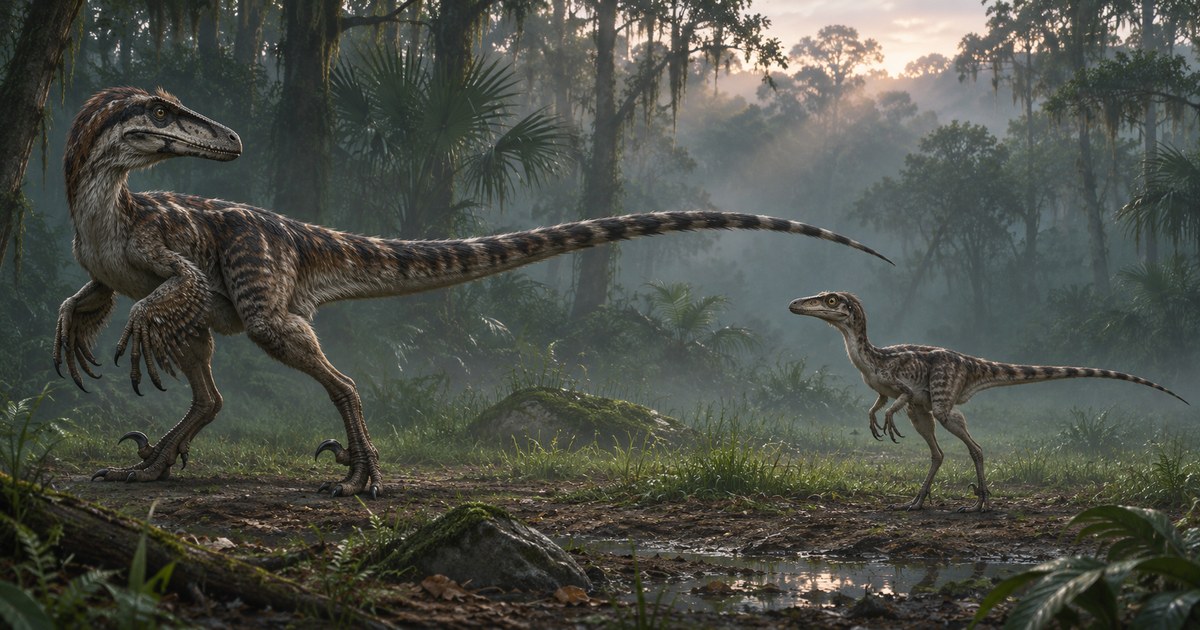
Omniraptor or Troodon? Both appeal to players who like moving with a pack, but they ask different things of that pack. Omniraptor makes you think about contact, bleed and getting away after a pounce. Troodon adds a stronger emphasis on coordinating around venom cues. Choose the kind of decisions you enjoy practising, rather than the dinosaur someone calls unbeatable.
Try Omniraptor if you want to learn a more direct pounce-and-disengage routine. Try Troodon if your group enjoys patient, cue-led coordination. These are playstyle recommendations, not a damage ranking or a guarantee that one is easier to survive as.
The cover is an AI-generated conceptual illustration, not an official game render, an exact model comparison or a scale chart.
Omniraptor vs Troodon: compare the decisions
| What matters to you? | Omniraptor | Troodon |
|---|---|---|
| Core hunting identity | Pouncing and bleed pressure. | Venom and coordinated attack opportunities. |
| What to practise first | Approach, attachment and deliberate departure. | Recognising the current venom cues and coordinating the next attempt. |
| A useful pack habit | Leave room for the next hunter and the returning player. | Agree who acts next instead of everyone attacking at once. |
| A common bad decision | Remaining committed after your exit becomes poor. | Confusing frantic repeated attacks with a coordinated sequence. |
| Travel planning | Arrive with enough reserve to react. | Keep the group together without exhausting the slowest or least prepared member. |
| Best reason to choose it | You enjoy positioning and learning your pounce decisions. | You enjoy listening, timing and sharing a plan. |
The broad species differences are cross-checked against the community-maintained Omniraptor reference and Troodon reference. Those pages carry an updating notice. Your current build and controls take precedence; fixed growth times, damage multipliers and old timing windows are deliberately left out of this comparison.
Choose Omniraptor if you want to practise positioning
Before approaching another animal, identify a place you could land and a direction you could leave. That makes a practice attempt easier to understand: you can judge whether the approach was sensible, whether you stayed too long and whether you still had room to move afterwards.
Start by learning one thing at a time. Getting close enough to try an input, making contact and leaving successfully are separate learning goals. Do not turn the first successful attachment into a reason to ignore everything happening around the target.
Our full Omniraptor guide covers its controls and individual survival decisions. The separate pounce and bucking guide is useful when you need to understand the interaction itself rather than choose a species.
Choose Troodon if you enjoy a coordinated routine
Troodon rewards a group that pays attention to the same encounter. Learn the venom sounds and visual feedback in your current build before trying to organise a hunt around them. A teammate calling that they made contact is useful information; it does not remove the need to observe the game yourself.
Keep the group's instructions short. Decide who makes the next attempt, who is recovering and where everyone will gather if the target moves away. It is easier to understand a missed opportunity when you can identify the decision that led to it.
Avoid carrying an old video's exact interval into a different build. The Troodon guide explains the cue-led approach without promising a permanent stopwatch sequence. Practise where your server allows it and stop if the situation becomes difficult to read.
Which one should a group of friends choose?
Ask what happens when someone says “wait”. If your group enjoys taking turns and following a shared cue, Troodon is worth trying. If you would rather learn approaches and individual disengagement while keeping a common escape plan, start with Omniraptor.
Choose a meeting place before you need it. “Back to the hill we crossed” is more useful than everyone running toward a different patch of trees. Do not let a separated player burn their travel reserve catching up while the rest of the pack begins another encounter.
Check the server's grouping and species rules first. An in-game pack and a private minimap squad are different things. Neither a guide nor a position-sharing app changes a server's rules or the game's own group limits.
Can you play Omniraptor or Troodon alone?
Yes, but build the session around what you can manage without assistance. You are responsible for finding food, approaching water, watching your surroundings and choosing when to recover. A pack-hunting clip is not a promise that its target is a sensible solo meal.
For a first solo attempt, make the goal a complete food-and-water circuit rather than a large kill. Learn one area, identify an alternative stop and get back into cover with enough options left to leave again. Our solo survival guide develops that routine.
Give each dinosaur a useful first-session test
- Check the current controls and learn how to stop an attack or leave an interaction.
- Complete a short journey without spending all your stamina on travel.
- Find a meal that suits your present condition and current diet information.
- With friends, practise gathering at a clear landmark after separating.
- After a mistake, record one decision you would change next time.
If you use TheIsleMinimap, shared positions can help your friends gather again. Each marker updates when that player supplies coordinates through copying or screen reading; it does not follow hidden game coordinates continuously. It cannot show venom stages or reveal nearby opponents. Choose the relevant map layers and keep combat decisions in the game.
Quick answers
Which is better for a beginner?
Our suggested starting point is Omniraptor for practising a more direct approach-and-exit routine. That is a learning preference, not a claim that its fights or food supply are always easier.
Which one wins a fight?
A species name alone cannot answer that. Growth, condition, terrain, available stamina and additional players can change the encounter.
Do I need friends to enjoy either dinosaur?
No. Friends change your options, but a realistic solo plan is still worthwhile. Choose a manageable goal and avoid copying a full pack's targets.